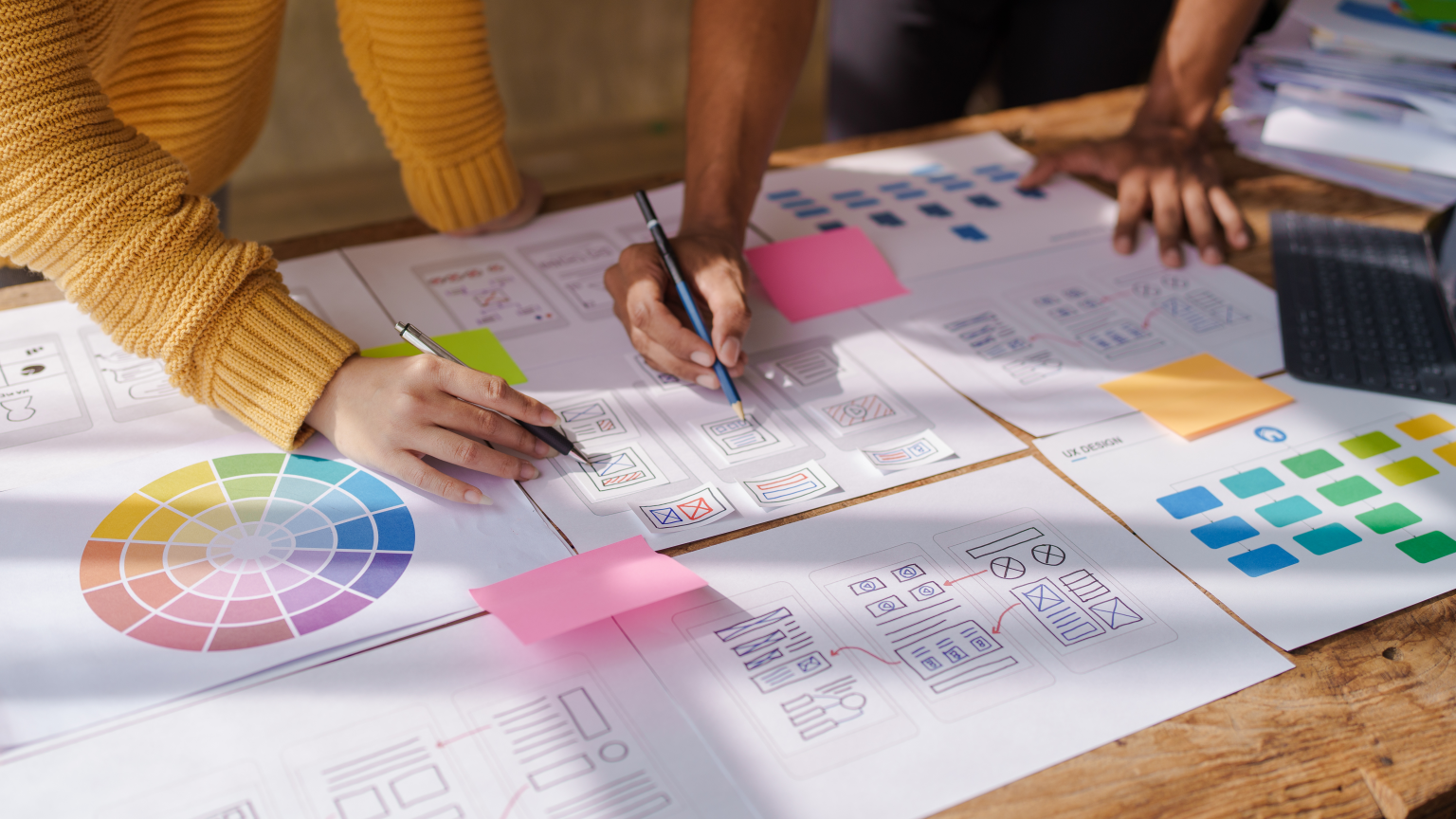

This group project involved the consolidation and restructuring of two user guides—a hardware user guide and a software user guide—into a unified single-source documentation system. These guides were provided in fragmented individual topic files with significant overlapping content. The project aimed to improve efficiency and consistency by leveraging modular content techniques and structured authoring principles taught in my Digital Literacies class.
Goals
The goals of the project included:
- updating content once across all related products and publications
- making content searchable online
- producing print for customers who required it
- creating consistency across content creators and approvers who owned different parts of the related products
- personalizing print content for different customers and product versions when possible
Objectives
The primary objectives of this project were to:
- conduct a detailed audit of the fragmented user guide files, identifying redundant and overlapping content
- categorize and structure the content using DITA-based models: Tasks, References, and Concepts
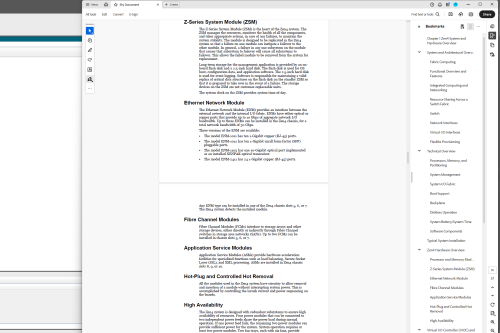
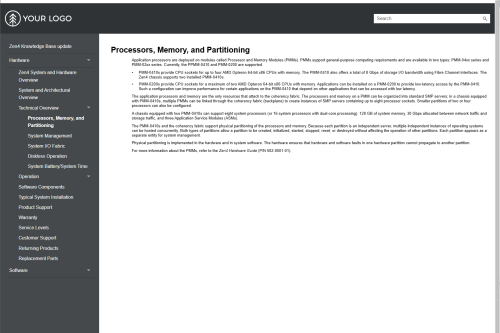
- deliver distinct outputs: a web-based HTML5 knowledge base and two separate print-on-demand PDF guides
- create a scalable, reusable content framework that would support future documentation projects
Outcome
The project achieved the following results:
Content Streamlining
A reduction of approximately 65% of the content in one chapter and appendix, resulting in improved clarity and efficiency that lowers future editing and maintenance workload.
Structured Content
A reorganization of files into DITA content models that ensured consistency, supported reuse, and provided a foundation for scalable documentation practices.
Multi-Channel Deliverables
A functional HTML5 knowledge base and two print-ready PDF guides aligned with usability standards, demonstrating the ability to deliver content effectively across formats.
Operational Efficiency
A single-source framework that reduces maintenance efforts, accelerates updates, and supports long-term documentation scalability for organizations.
Approach
Unifying fragmented hardware and software user guides into a single-source framework was essential for improving efficiency, ensuring consistency, and making information easier to update and distribute across multiple formats.
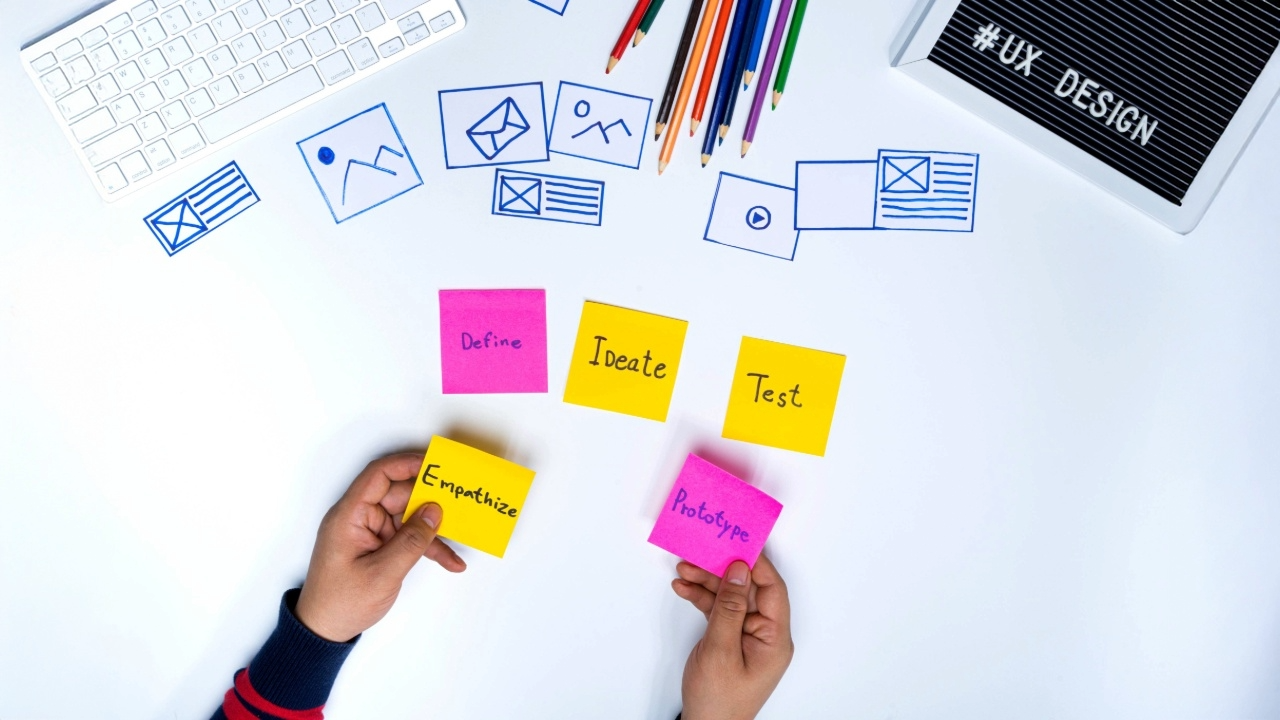
The project was completed using a systematic, multi-step process informed by my Digital Literacies coursework and tools. Our group communicated and interacted through Microsoft Teams.
Accessing and Preparing Project Files
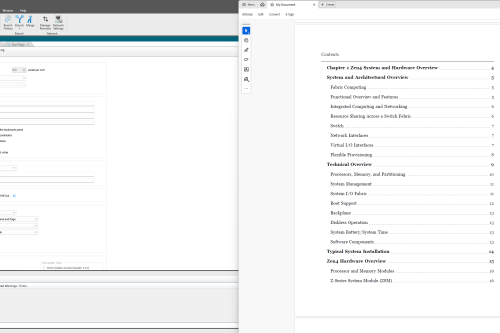
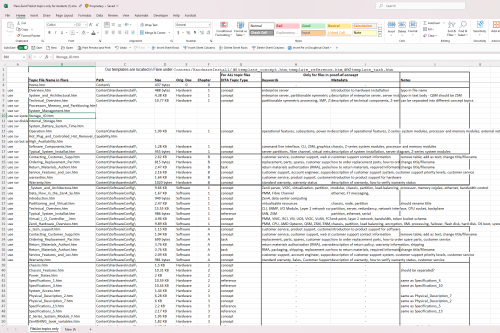
Our group accessed fragmented topic files through MadCap Flare/Central, analyzing dependencies and organization. Then, we conducted a content audit using Microsoft Excel to catalog files, identify redundancies, and categorize content into DITA models (Tasks, References, and Concepts).
My contributions included cataloging redundant files, aligning them to DITA models, and supporting the design of reusable templates for consistent formatting.
Developing a Content Model
We created a structured content model to define modular authoring rules, including metadata and keywords for improved searchability. This framework was documented in a spreadsheet for team reference and alignment.
Producing Single-Source Deliverables
In MadCap Flare/Central, we designed reusable templates for each DITA model using HTML and CSS.
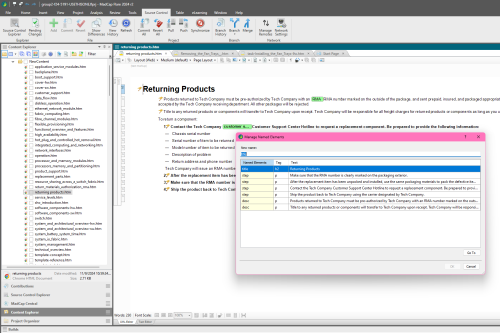
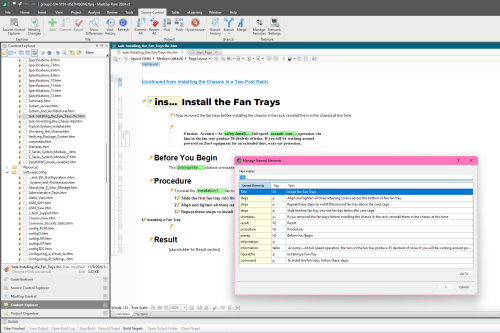
Then, we created and configured tables of contents (TOCs) for multiple outputs, including a web-based HTML5 knowledge base and two print-ready PDFs.
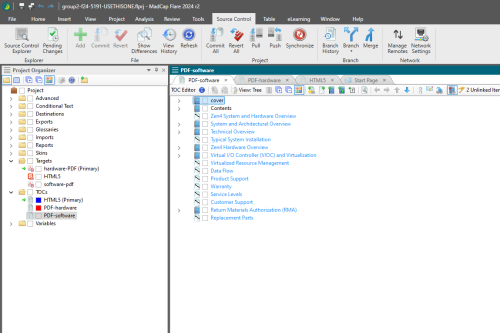
Finally, we leveraged multi-channel publishing features in MadCap Flare to generate all outputs from a single-source file.
This structured authoring process not only produced a functional proof of concept but also demonstrated how scalable content models can reduce maintenance costs, accelerate updates, and improve usability for end users.
Final Deliverable
The final deliverable is a proof of concept that includes a single chapter, an appendix, and an online searchable knowledge base produced with DITA principles. Since this was a proof of concept rather than a live deployment, links to full PDFs and online knowledge bases are not available, but the deliverables demonstrate the viability of a scalable single-source approach.